Kashmir, often called "Paradise on Earth," is renowned for its breathtaking natural beauty.
Srinagar: The summer capital, famous for:
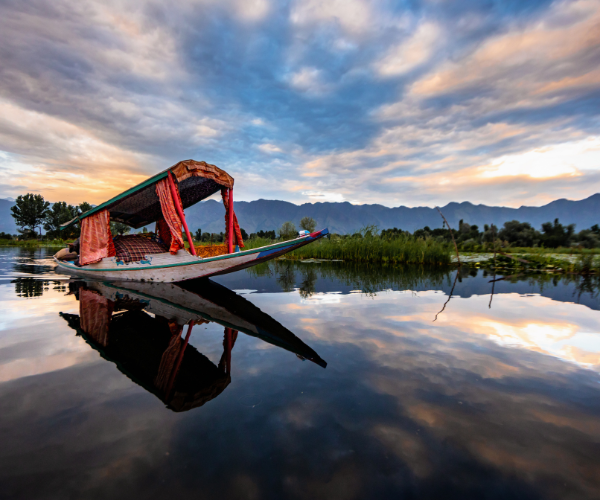
Dal Lake: Enjoy a Shikara ride, stay in a houseboat, and witness the floating vegetable market.
Mughal Gardens: Explore the serene Nishat Bagh, Shalimar Bagh, Chashme Shahi, Pari Mahal, and Achabal Bagh with their terraced lawns, vibrant flowers, and stunning views.
Shankaracharya Temple: Located atop a hill, offering panoramic views of Srinagar and Dal Lake.
Hazratbal Shrine: A revered Muslim shrine believed to house a relic of Prophet Muhammad.
Indira Gandhi Memorial Tulip Garden: Asia's largest tulip garden, best visited during the spring tulip festival (typically March-April).
Lal Chowk and Polo View Market: Ideal for shopping for Kashmiri handicrafts, pashmina shawls, and spices.
Hari Parbat Fort: An ancient fort offering historical and spiritual significance, with great views of the city.
Gulmarg: Known as the "Meadow of Flowers" and a premier ski destination:
Gulmarg Gondola: One of the highest cable cars in the world, offering breathtaking views of the snow-capped Himalayas and access to Apharwat Peak for skiing and other winter activities.
Gulmarg Golf Course: One of the highest green golf courses in the world.
Khilanmarg: Offers stunning views of the surrounding peaks and is a popular spot for skiing in winter and trekking in summer.
Drung Waterfall: A beautiful waterfall, especially stunning in winter when it freezes.
Pahalgam: The "Valley of Shepherds," offering picturesque landscapes:
Betaab Valley: Named after the Bollywood movie "Betaab," known for its lush green meadows, dense forests, and the Lidder River.
Aru Valley: A scenic valley known for its meadows, trekking trails, and as a base camp for several high-altitude lakes.
Baisaran Valley: Often called "Mini Switzerland" due to its rolling green meadows and pine forests.
Lidder River: Offers opportunities for river rafting and angling.
Chandanwari: The starting point for the Amarnath Yatra trek.
Sonamarg: The "Meadow of Gold," known for its stunning glaciers and snow-capped mountains:
Thajiwas Glacier: A popular attraction accessible by a short trek or pony ride.
Zoji La Pass: A high mountain pass connecting Kashmir with Ladakh, offering dramatic landscapes.
Baltal Valley: A base camp for the Amarnath Yatra.
Krishansar and Vishansar Lakes: Beautiful alpine lakes accessible through trekking.
Other Notable Places:
Yusmarg: A less crowded hill station with beautiful meadows and forests.
Doodhpathri: Known as the "Valley of Milk" with its lush green meadows and silver streams.
Gurez Valley: A remote and picturesque valley near the Line of Control, known for its unique culture and stunning landscapes.
Kupwara: Often referred to as "Kashmir's Switzerland," with scenic valleys like Lolab Valley and Bangus Valley.
Pulwama: Known for its apple orchards and natural springs.
Anantnag: Home to several temples and freshwater springs like Verinag.
Patnitop: A hill resort known for its scenic beauty and adventure activities.
Sanasar: Offers adventure activities like paragliding, rock climbing, and trekking.
Dachigam National Park: Home to diverse flora and fauna, including the Hangul (Kashmiri stag).
Wular Lake: One of the largest freshwater lakes in Asia, offering boating and birdwatching opportunities.
Best Time to Visit:
April to June (Spring/Summer): Pleasant weather with blooming flowers, ideal for sightseeing and outdoor activities.
September to October (Autumn): Clear skies and golden hues, offering a different kind of scenic beauty.
December to February (Winter): Ideal for snow activities like skiing in Gulmarg. Kashmir offers a diverse range of experiences, from serene lakes and gardens to adventurous trekking and skiing. Plan your trip based on your interests and the season to make the most of this beautiful region.
Disclaimer: This is not the itinerary. Please enquire now for itinerary
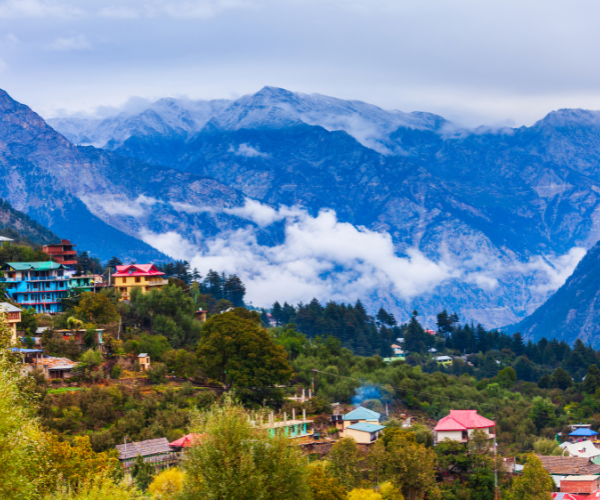
Himachal Pradesh, often called the "Land of Gods," is a popular tourist destination in India, renowned for its stunning Himalayan landscapes, hill stations, and cultural heritage.
Popular Hill Stations:
Shimla: The capital city, also known as the "Queen of Hills," famous for its colonial architecture, the Mall Road, Ridge, Jakhu Temple, and the Kalka-Shimla Railway (a UNESCO World Heritage Site).
Manali: Nestled in the Kullu Valley, known for its breathtaking views, adventure activities like skiing in Solang Valley and trekking in Rohtang Pass, Hadimba Devi Temple, and Vashisht hot springs.
Dharamshala & McLeodganj: The abode of the Dalai Lama, offering a blend of Tibetan and Indian cultures, monasteries, serene landscapes, and trekking opportunities (Triund trek).
Dalhousie: A charming hill station with colonial-era architecture, pleasant weather, and scenic spots like Khajjiar (Mini Switzerland), Panch Pulla, and Satdhara Falls.
Kasauli: A peaceful, colonial-era town known for its apple orchards, pine and oak forests, scenic viewpoints like Monkey Point and Sunset Point, and the Christ Church.
Kullu: The "Valley of Gods," famous for its scenic beauty, temples, Dussehra festival, apple orchards, and as a base for various treks and river rafting.
Chail: A quiet hill station known for the world's highest cricket ground, the Chail Palace, and its serene environment.
Khajjiar: Often called "Mini Switzerland" due to its picturesque lake, meadows, and surrounding deodar forests.
Narkanda: A serene retreat known for its apple orchards and Hatu Peak, offering panoramic views.
Kufri: A charming hill station near Shimla, popular for winter sports like skiing and ice skating.
Scenic Valleys and Regions:
Spiti Valley: A cold desert mountain valley with stark, barren beauty, ancient monasteries (Key Monastery, Tabo Monastery), and high-altitude villages.
Kinnaur: Known for its apple orchards, scenic villages, and the Kinnaur Kailash peak.
Parvati Valley: Famous for its hippie culture, hot springs at Manikaran, and scenic towns like Kasol and Tosh.
Tirthan Valley: A hidden gem known for its pristine river, trekking trails, and the Great Himalayan National Park.
Kangra Valley: Offers a mix of natural beauty and historical sites like the Kangra Fort and Masroor Rock-cut Temples.
Lahaul Valley: Bordering Spiti, known for its rugged landscapes, monasteries, and high mountain passes.
Other Attractions:
Bir Billing: Known as the "Paragliding Capital of India," offering excellent paragliding opportunities and Tibetan monasteries.
Palampur: A picturesque town known for its tea gardens and views of the Dhauladhar range.
Solan: Known as the "Mushroom City of India," with pleasant weather and temples.
Mashobra: A tranquil town near Shimla known for its floral meadows and trekking trails.
Rewalsar Lake: A sacred lake with floating reed islands and monasteries.
Pong Dam (Maharana Pratap Sagar Lake): A large reservoir known for birdwatching.
Best Time to Visit:
March to June (Spring & Summer): Pleasant and ideal for sightseeing, trekking, and outdoor activities.
July to September (Monsoon): The hills turn lush green, but there's a risk of landslides. Some areas like Spiti and Kinnaur remain relatively dry.
October to November (Autumn): Clear skies and golden foliage offer a different kind of beauty, ideal for photography and pleasant walks.
December to February (Winter): Ideal for snow lovers, with opportunities for skiing and snowboarding in places like Shimla, Manali, and Kufri.
Himachal Pradesh offers a diverse range of destinations to suit every traveler's interest, from adventure seekers and nature lovers to those seeking peace and cultural experiences.
Disclaimer: This is not the itinerary. Please enquire now for itinerary
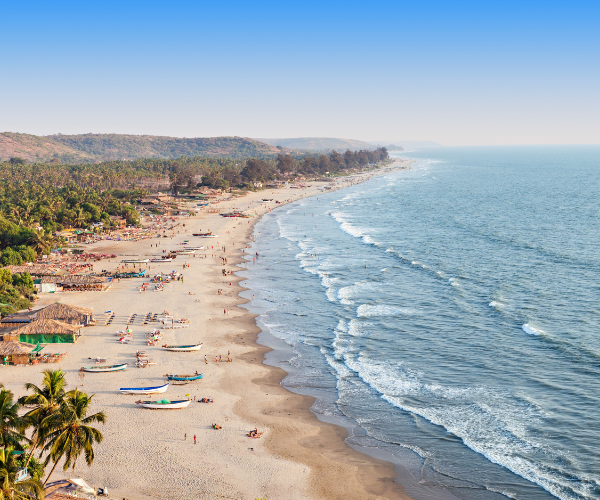
Goa, a popular tourist destination on India's western coast, offers a diverse range of attractions, from stunning beaches and historical sites to vibrant nightlife and cultural experiences. Here's a breakdown of some must-visit places:
Beaches: Goa is famous for its coastline, offering a variety of beaches to suit every taste:
North Goa:
Baga Beach: Lively atmosphere, water sports, beach shacks, and famous nightlife (Tito's Lane).
Calangute Beach: The "Queen of Beaches," bustling with activity, water sports, and shacks.
Anjuna Beach: Known for its Wednesday Flea Market and trance parties; also a calmer atmosphere in some areas.
Candolim Beach: Less crowded, with a good mix of restaurants and water sports.
Vagator Beach: Known for its red cliffs and sunset views, also hosts the Sunburn Festival.
Arambol Beach: Bohemian vibe, known for its drum circles, yoga, and paragliding.
Morjim Beach: Serene, also known as "Little Russia" due to its popularity with Russian tourists; a nesting site for Olive Ridley turtles.
Ashvem Beach: Picturesque, with trendy beach bars and good for surfing.
Sinquerim Beach: Offers water sports and is near Fort Aguada.
Querim (Keri) Beach: A quiet beach in North Goa with the Tiracol Fort nearby.
South Goa:
Palolem Beach: A beautiful crescent-shaped beach with calm waters, popular for kayaking and dolphin spotting.
Agonda Beach: Tranquil and clean, ideal for relaxation and honeymooners; also a turtle nesting site.
Colva Beach: The main beach of South Goa, with a lively atmosphere and many shacks.
Benaulim Beach: Quieter than Colva, known for its fishing and handicrafts.
Mobor Beach: A pristine stretch of sand, less crowded and good for a peaceful day.
Butterfly Beach: A secluded cove known for its scenic beauty (accessible by boat).
Patnem Beach: One of the quietest and most secluded beaches in South Goa.
Historical and Heritage Sites:
Old Goa (Velha Goa): A UNESCO World Heritage site with numerous churches showcasing Portuguese architecture:
Basilica of Bom Jesus: Houses the mortal remains of St. Francis Xavier.
Sé Catedral: One of the largest churches in Asia.
Church of St. Francis of Assisi: Features a blend of Manueline and Tuscan architectural styles.
Church of St. Cajetan: Modeled after St. Peter's Basilica in Rome.
Ruins of the Church of St. Augustine: A reminder of a once grand church.
Fort Aguada: A well-preserved 17th-century Portuguese fort offering panoramic sea views and a lighthouse.
Chapora Fort: Famous for its views of the Chapora River and Vagator Beach (popularized by the movie "Dil Chahta Hai").
Cabo de Rama Fort: A historic fort in South Goa offering stunning views of the Arabian Sea.
Corjuem Fort: A smaller fort near Aldona offering countryside views.
Three Kings Chapel: A historic chapel with interesting local legends.
Fontainhas (Latin Quarter): A charming neighborhood in Panjim with colorful Portuguese-style houses and narrow streets.
Nature and Wildlife:
Dudhsagar Waterfalls: One of India's tallest waterfalls, located inside the Bhagwan Mahaveer Sanctuary.
Spice Plantations: Take a guided tour to learn about and purchase various spices.
Bondla Wildlife Sanctuary: Home to deer, elephants, and leopards, with a botanical garden and mini zoo.
Salim Ali Bird Sanctuary: Located on Chorao Island, a haven for birdwatchers.
Cotigao Wildlife Sanctuary: The second-largest wildlife sanctuary in Goa, known for its diverse flora and fauna.
Netravali Wildlife Sanctuary: Features the Savari and Mainapi Waterfalls and the Bubbling Lake.
Other Attractions:
Anjuna Flea Market (Wednesday): A vibrant market with a variety of goods.
Mapusa Market (Friday): A traditional local market.
Saturday Night Market (Arpora): A lively market with food stalls, live music, and shopping.
Museum of Goa (MOG): Showcases the history and contemporary art of Goa.
Naval Aviation Museum: Displays the history of Indian naval aviation.
Big Foot Museum: A theme park depicting Goan rural life.
Tito's Lane (Baga): Famous for its nightlife.
Casinos: Goa has several onshore and offshore casinos.
Cruises: Enjoy backwater, river, and sunset cruises.
Ayurvedic Spas: Rejuvenate with traditional Ayurvedic massages and therapies.
Things to Do:
Water Sports: Parasailing, jet-skiing, banana boat rides, scuba diving, snorkeling, windsurfing, and more are widely available on the beaches.
Trekking and Hiking: Explore the Western Ghats and various trails.
Yoga and Meditation: Many centers offer classes and retreats, especially in areas like Arambol and Palolem.
Cooking Classes: Learn to prepare delicious Goan cuisine.
Explore Local Markets: Immerse yourself in the vibrant atmosphere and shop for souvenirs.
Attend Festivals: Experience the colorful Goan culture during festivals like Carnival and Ganesh Chaturthi.
To make the most of your trip, consider the time of year you are visiting, your interests (beaches, history, nature, nightlife), and your preferred pace of travel.
Disclaimer: This is not the itinerary. Please enquire now for itinerary
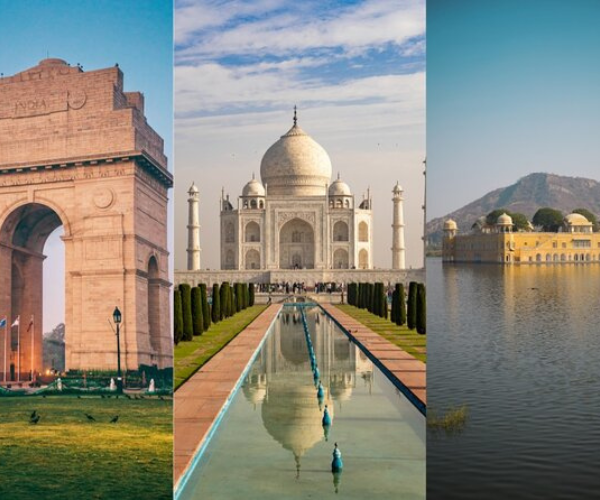
The Golden Triangle is a popular tourist circuit in India that connects the three major cities of Delhi, Agra, and Jaipur. Named for the roughly triangular shape formed by these cities on a map, the "golden" moniker also reflects the incredible wealth of history, culture, and architectural marvels found within this region.
Here's a glimpse into what each city offers:
Delhi:
A blend of old and new: Explore ancient Mughal architecture alongside modern infrastructure.
Key Attractions:
Red Fort: A UNESCO World Heritage site and a symbol of Mughal power.
Qutub Minar: A towering historical minaret and another UNESCO site.
Humayun's Tomb: A precursor to the Taj Mahal, showcasing stunning Mughal architecture (UNESCO).
Jama Masjid: One of India's largest mosques.
India Gate: A war memorial and a prominent landmark.
Lotus Temple: A modern architectural marvel and Baháʼí House of Worship.
Chandni Chowk: A bustling and vibrant old Delhi market.
Raj Ghat: The memorial to Mahatma Gandhi.
Agra:
Home to the iconic Taj Mahal: A symbol of eternal love and one of the Seven Wonders of the World (UNESCO).
Other Attractions:
Agra Fort: A majestic fort showcasing Mughal power and artistry (UNESCO).
Fatehpur Sikri: A well-preserved abandoned Mughal city near Agra (UNESCO).
Itmad-ud-Daulah's Tomb (Baby Taj): A beautiful precursor to the Taj Mahal.
Sikandra Fort: The tomb of Emperor Akbar.
Mehtab Bagh: Gardens offering a stunning view of the Taj Mahal across the Yamuna River, especially at sunset.
Jaipur:
The "Pink City" of Rajasthan: Known for its distinctive pink-hued buildings and royal heritage.
Key Attractions:
Amber Fort (Amer Fort): A magnificent fort complex with stunning palaces and courtyards, often enjoyed with an elephant ride.
City Palace: The former residence of the Maharaja, now a museum.
Hawa Mahal (Palace of Winds): A unique five-story facade with numerous small windows.
Jantar Mantar: An astronomical observatory built in the 18th century (UNESCO).
Jal Mahal (Water Palace): A picturesque palace located in the middle of Man Sagar Lake.
Nahargarh Fort: Offers panoramic views of Jaipur city.
Albert Hall Museum: The oldest museum in Rajasthan, showcasing art and artifacts.
Bazaars: Vibrant markets offering textiles, jewelry, handicrafts, and more.
Why is it called the "Golden Triangle"?
Geography: The three cities form a near equilateral triangle on the map.
Significance: The region is rich in history, culture, and architectural heritage, representing a significant and popular tourist circuit in India.
How to Travel the Golden Triangle:
By Road: Well-maintained roads connect the three cities, making it a comfortable option for travel by private car or bus.
By Train: India has a good railway network, and trains like the Shatabdi Express, Vande Bharat Express, and Gatimaan Express connect Delhi, Agra, and Jaipur efficiently. Luxury tourist trains like the Maharajas' Express also cover this route.
By Air: Domestic flights are available between Delhi and Jaipur, and Agra has a smaller airport.
Best Time to Visit:
The best time to visit the Golden Triangle is during the winter months, from October to March, when the weather is pleasant and ideal for sightseeing. 1 Summers (April-June) can be very hot, and monsoons (July-September) can bring heavy rainfall.
The Golden Triangle offers a fantastic introduction to the diverse and captivating culture, history, and architectural wonders of India. It's a must-do for first-time visitors to the country.
Disclaimer: This is not the itinerary. Please enquire now for itinerary
Kerala, often called "God's Own Country," is a popular tourist destination renowned for its diverse landscapes, including serene backwaters, lush green hill stations, beautiful beaches, and rich cultural heritage. Here are some of the must-visit places in Kerala:
Backwater Destinations:
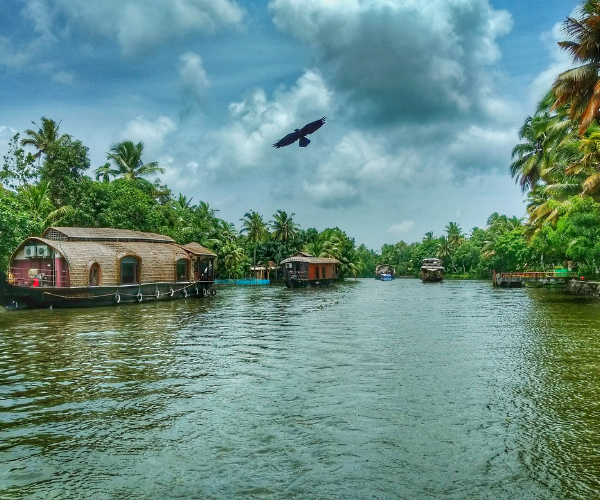
Alleppey (Alappuzha): Known as the "Venice of the East," Alleppey is famous for its serene backwaters, houseboat cruises, and network of canals, lagoons, and lakes. Don't miss the Nehru Trophy Boat Race if you visit in August/September.
Kumarakom: Situated on the banks of Vembanad Lake, Kumarakom is another enchanting backwater destination with picturesque landscapes, mangrove forests, and a famous bird sanctuary.
Kollam: An old port city with Ashtamudi Lake, offering houseboat rides and scenic beauty.
Hill Stations:
Munnar: Famous for its rolling tea plantations, mist-covered hills, and stunning viewpoints. Key attractions include Eravikulam National Park (home to the Nilgiri Tahr), Mattupetty Dam, and Anamudi Peak.
Wayanad: A green paradise with waterfalls, historical caves (Edakkal Caves), spice plantations, and wildlife sanctuaries.
Thekkady: Home to the Periyar National Park, one of India's most famous wildlife reserves, where you can enjoy boat safaris and spot elephants, tigers, and diverse birdlife. It's also known for its spice plantations.
Vagamon: Offers a unique landscape with a chain of three hills, lush green meadows, and is known for adventure activities like paragliding.
Ponmudi: A charming hill station near Thiruvananthapuram, offering trekking trails and scenic beauty.
Nelliampathi: A quieter hill station with tea and coffee plantations and breathtaking viewpoints.
Beaches:
Kovalam: A popular beach town with three main beaches - Lighthouse Beach, Hawa Beach, and Samudra Beach - known for their golden sands and shallow waters.
Varkala: Famous for its unique cliffside beaches, the Janardhana Swamy Temple, and natural mineral springs.
Marari Beach: A serene and less crowded beach known for its tranquility and natural beauty.
Bekal: Known for its historic Bekal Fort, the largest fort in Kerala, and its beautiful adjacent beach.
Kappad Beach: Historically significant as the place where Vasco da Gama first landed in India.
Cherai Beach: A beautiful beach on the outskirts of Kochi, known for its backwaters on one side and the sea on the other.
Cities with Cultural and Historical Significance:
Kochi (Cochin): A vibrant port city with a rich history and diverse cultural influences. Key attractions include Fort Kochi with its Chinese Fishing Nets, Mattancherry Palace (Dutch Palace), St. Francis Church (India's oldest European church), 1 and the Jewish Synagogue.
Thiruvananthapuram (Trivandrum): The capital city, known for its historical monuments like the Sree Padmanabhaswamy Temple (one of the wealthiest temples in the world), Napier Museum, and art galleries.
Thrissur: Known as the cultural capital of Kerala, famous for its vibrant festivals like Thrissur Pooram and historical temples like Vadakkunnathan Temple.
Wildlife Sanctuaries and National Parks:
Periyar National Park (Thekkady): As mentioned earlier, a must-visit for wildlife enthusiasts.
Eravikulam National Park (Munnar): Home to the endangered Nilgiri Tahr and the Neelakurinji flower that blooms once every twelve years.
Wayanad Wildlife Sanctuary: Part of the Nilgiri Biosphere Reserve, rich in flora and fauna.
Silent Valley National Park (Palakkad): Known for its pristine and undisturbed rainforests.
Other Unique Destinations:
Idukki: Known for its stunning arch dam and diverse landscapes.
Poovar Island: A serene island at the confluence of the Neyyar River and the Arabian Sea.
Kuttanad: Known as the "Rice Bowl of Kerala," a unique region where farming is done below sea level.
Munroe Island: A cluster of eight small islands at the confluence of the Ashtamudi Lake and the Kallada River, known for its scenic beauty and canoe tours.
Best Time to Visit:
The best time to visit Kerala is generally during the winter months, from September to March, when the weather is pleasant and ideal for sightseeing. The monsoon season (June to August) can be very wet, while the summer months (April to May) can be hot and humid.
Kerala offers a diverse range of experiences for every kind of traveler, from relaxing on serene backwaters and beaches to exploring misty mountains and vibrant cities.
Disclaimer: This is not the itinerary. Please enquire now for itinerary
Gangtok: The capital city, a blend of tradition and modernity. Visit MG Marg (a pedestrian-only zone), Namgyal Institute of Tibetology, Do-Drul Chorten, Enchey Monastery, and enjoy the Gangtok Ropeway for scenic views.
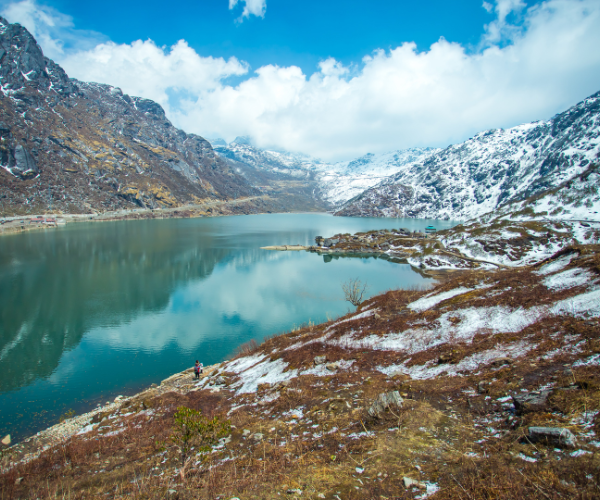
Tsomgo Lake (Changu Lake): A stunning glacial lake at high altitude, known for its changing colors.
Nathu La Pass: A historically significant mountain pass on the Indo-China border (requires permits and advance booking).
Baba Mandir: A shrine dedicated to a brave Indian army soldier, near Nathu La.
Hanuman Tok & Ganesh Tok: Temples offering panoramic views of Kanchenjunga.
Rumtek Monastery: One of the largest and most significant monasteries in Sikkim.
Flower Exhibition Centre: Showcases a variety of orchids and other flowers.
North Sikkim (Requires special permits):
Lachung: A picturesque village serving as a base for Yumthang Valley.
Yumthang Valley (Valley of Flowers): Known for its rhododendrons in spring and hot springs.
Zero Point: Located beyond Yumthang, offering breathtaking mountain views (requires a separate permit).
Lachen: Another beautiful village and a base for exploring Gurudongmar Lake.
Gurudongmar Lake: A high-altitude sacred lake with stunning turquoise waters.
Chopta Valley: Offers scenic views and is less crowded than Yumthang.
West Sikkim (Known for monasteries and Kanchenjunga views):
Pelling: Offers the best panoramic views of the Kanchenjunga range. Visit Pemayangtse Monastery, Rabdentse Ruins (old capital), Kanchenjunga Falls, and Khecheopalri Lake (sacred lake).
Yuksom: The first capital of Sikkim, with historical significance and the starting point for many treks. Visit Dubdi Monastery.
Ravangla: Known for the Buddha Park with a large Buddha statue and scenic views.
South Sikkim:
Namchi: Features the Chardham complex (replica of major Hindu Dhams) and Samdruptse (giant statue of Guru Padmasambhava).
Temi Tea Garden: Sikkim's only tea estate.
Darjeeling:
Tiger Hill: Famous for its breathtaking sunrise views over the Kanchenjunga range.
Darjeeling Himalayan Railway (Toy Train): A UNESCO World Heritage site offering a scenic and nostalgic ride.
Batasia Loop: A scenic railway loop with a war memorial and 360-degree views.
Ghoom Monastery: One of the oldest Tibetan Buddhist monasteries in Darjeeling, housing a large statue of Maitreya Buddha.
Padmaja Naidu Himalayan Zoological Park: Home to endangered Himalayan species like the snow leopard and red panda.
Himalayan Mountaineering Institute & P.N. Zoological Park: Offers insights into mountaineering history and houses Himalayan fauna.
Japanese Peace Pagoda: A symbol of peace and tranquility with panoramic views.
Tea Gardens: Explore famous tea estates like Happy Valley Tea Estate and learn about tea processing.
Rock Garden & Ganga Maya Park: Beautifully landscaped gardens with waterfalls and scenic beauty.
Observatory Hill & Mahakal Temple: A sacred place for both Hindus and Buddhists, offering panoramic views.
Sandakphu: The highest peak in West Bengal, offering stunning views of Everest, Kanchenjunga, Lhotse, and Makalu (requires trekking).
Lepchajagat: A serene village amidst forests with Kanchenjunga views.
Key Considerations for Planning:
Permits: North Sikkim and Nathu La require special permits. Plan and book these in advance through a registered tour operator.
Altitude: Be aware of altitude sickness, especially when visiting high-altitude lakes and passes. Acclimatize properly.
Best Time to Visit: March to June and September to November generally offer pleasant weather and clear views.
Transportation: Hiring a private vehicle is common for exploring both regions. The Toy Train in Darjeeling is a unique experience.
Enjoy your trip to these beautiful Himalayan destinations!
Disclaimer: This is not the itinerary. Please enquire now for itinerary